The continuum of mental health and mental illness
Mental health:
is a positive concept and is more than the absence of a mental disorder. It is “a state of well-being in which the individual realizes their own abilities, can cope with the normal stresses of life, can work productively and fruitfully, and is able to make a contribution to their community” (WHO, 2018). Mental health is about feeling good and functioning well (CMHA, 2020):
-
Feeling good entails happiness, life satisfaction and other positive states.
-
Functioning well entails being engaged in meaningful activities, positive relationships with others, self-acceptance, autonomy and having purpose in life.
Mental illness (or mental disorder):
is a recognized, medically diagnosable illness that is characterized by alterations in thinking, mood or behaviour associated with significant distress and impaired functioning (Government of Canada, 2006: 2).
Mental health is on a continuum from optimal to poor, while mental illness is on a continuum from extremely severe symptoms to no symptoms. Between these are a range of different situations where symptoms are present to various degrees. As a result, an individual can have optimal mental health with or without mental illness, or poor mental health with or without a mental illness.
Mental health and mental illness are not mutually exclusive. They can each be considered as separate but related continuums, as shown below:
Optimal mental health
Optimal mental health with no symptoms of mental illness
Optimal mental health with presence of mental illness
Serious mental illness with poor mental health
Poor mental health with no symptoms of mental illness
Poor mental health
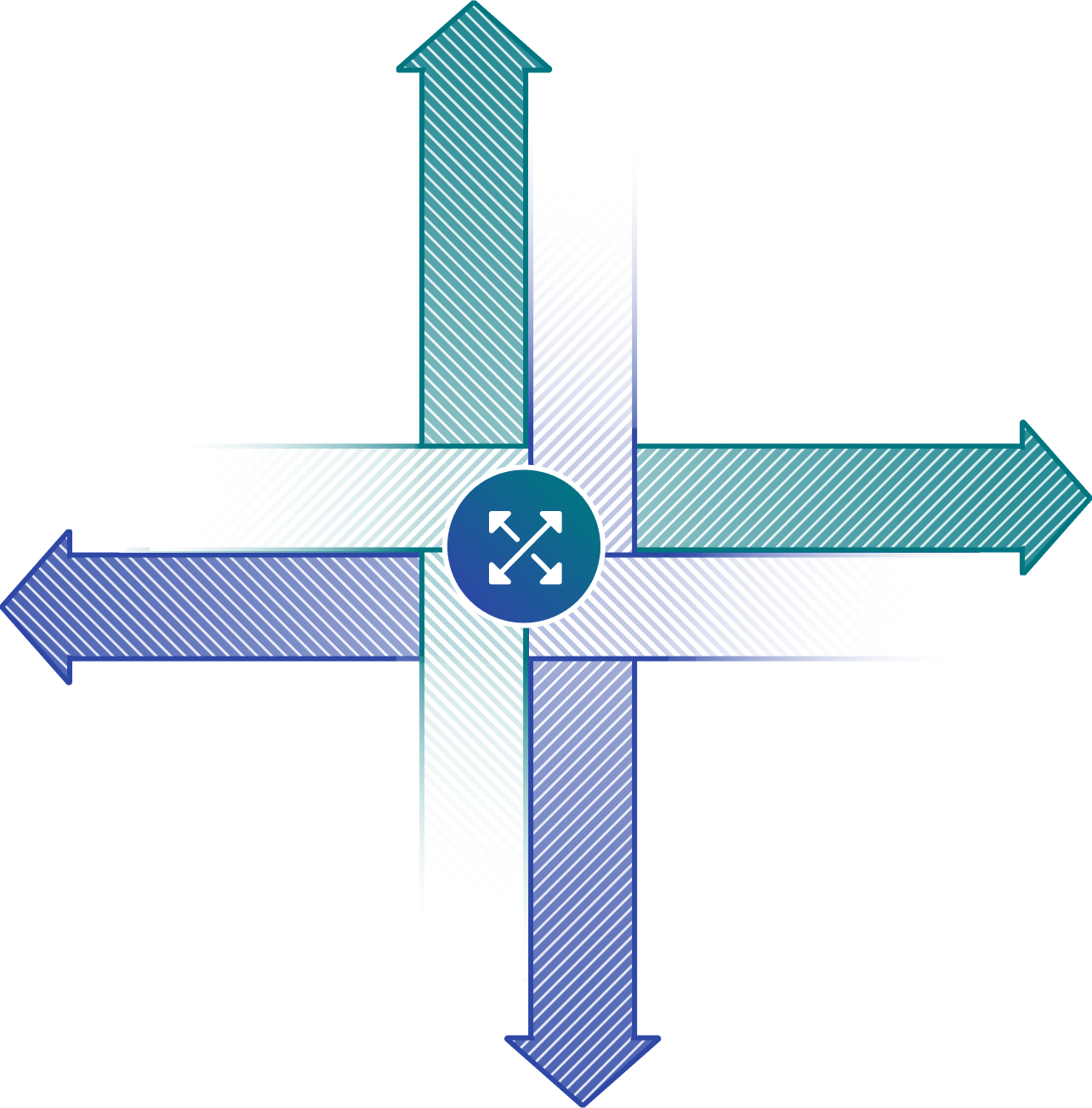
Serious mental illness
No symptoms of mental illness
Resilience and mental health
Resilience is described as adaptation and coping as a response to adversity. Resilience has been shown to be linked to both individual characteristics (e.g., personality, cognitive ability) and external influences (e.g., family, school, peers) (Pashang et al., 2019). In terms of its relation to mental health, resilience is positively correlated with positive mental health outcomes (e.g., well-being, life satisfaction) (Satici, 2016); it is negatively correlated with, and partially correlated with, the relationship between mental illness, including depression and anxiety, among others (Shapiro et al, 2019).
Resilience includes two main factors that influence the level of coping, those that challenge and that promote resilience.
-


- Shifts in immigration policies to defund settlement and social support services
- Lengthy and confusing refugee claim processes
- Family-level challenges such as parental coping difficulties (language, culture, immigration process)
- Education-level challenges such as disruption of school for refugee children
- Socioeconomic status
- Immigration status
- Gender (Pashang et al., 2019)
Resilience-challenging factors include:
-


- Social support that is culturally sensitive and adapted
- Religious beliefs
- Community and family support
- Personal qualities that help individuals respond to highly adverse circumstances (e.g. emotional management, composure, self-control, self-compassion) (Ciaramella et al., 2021)
Resilience-promoting factors include: