Self-care
It is important to adopt strategies to avoid burnout and promote self-care. If a burnout situation happens, it can sometimes be transformed into an opportunity for self-reflection and self-care.
Service providers should be aware of the conditions that may affect their mental health and well-being, and how to avoid these conditions and/or mitigate their effects. If persistent and severe symptoms of distress are experienced to the degree that functioning is impaired, it may be time to seek help for burnout, secondary trauma or compassion fatigue. Examples of impaired functioning may include not sleeping or eating, crying uncontrollably or not performing at work.
Many employers provide an employee assistance program (EAP) through which employees can obtain a confidential assessment and support. Organizational human resources or occupational health and safety departments may be able to provide information about how to access these programs. EAPs are usually free of charge and are completely confidential.
Without access to an EAP, a family doctor could help employees access resources.
While recognizing the signs of employee burnout is extremely important, leaders should also take the time to self-reflect on their own experiences and recognize the signs of their own potential burnout. Burnout symptoms will be similar as described in this module and leaders are encouraged to assess their personal circumstance and then formulate a personalized self-care plan with the resources available to them.

Pandemic-related mental health resources for health care workers
The COVID-19 pandemic has increased the feelings of stress and anxiety for health care workers and service providers. As a result, it is important to recognize the impact of these kinds of events and stressors on your well-being, and to learn how to develop coping strategies and skills that will help you stay healthy.
In collaboration with other hospitals, CAMH provides access to mental health and addiction supports for health care workers impacted by the COVID-19 pandemic. This includes access to resources, psychotherapy and psychiatric services.
Video: Organizational supports and vicarious resilience
With Dr. Debra Stein (Child and Adolescent Psychiatrist, SickKids Centre for Community Mental Health)
To be the best we can be for our clients, we need to put on our own oxygen mask first before we can attend to the needs of others. That's really the basis of providing really good trauma-informed care. It's important to consider the service provider's own working environment. Some questions worth considering are: Is the work with traumatized clients being shared by a team that can act as a support base? Does the service provider have adequate supervision and a place to discuss and debrief challenging clinical situations as they arise? Is the case volume manageable? Can highly traumatize clients and complicated clinical scenarios be equally distributed among multiple service providers? Are there adequate resources available so that the service provider can respond effectively to needs as they arise? And, like this, are there opportunities for professional development so that the service provider can consolidate and expand their skills and knowledge so that they can work with this community with some confidence? Finally, does the service provider have their own supports and their own self-care plan? Alongside concepts of vicarious trauma and compassion fatigue, it's also important to recognize the strength and growth that we derive from working with our clients, and to think about concepts of vicarious resilience and compassion satisfaction. As clinicians and care providers, not only are we witness to the suffering and adversity of our clients, but we also witness in our day-to-day work with them amazing acts of coping and thriving. This can fuel our own resilience both as care providers and as people, and is an important part of why this work can be so rewarding. We need to remember that sense of pleasure and fulfilment that goes with the kind of work we do as that really does form the basis of compassion satisfaction.

Resource: Self-rating tool
The Professional Quality of Life Measure (ProQOL) is a validated, 30-item self-report tool designed for those in the helping professions. It provides ratings for compassion satisfaction/fatigue, burnout and secondary trauma (which the scale refers to as secondary traumatic stress).
Note that the ProQOL assessment is a screening tool, not a diagnostic test. It presents a snapshot of the user's situation at a particular moment, and can be repeated over time to provide insight into how the user is coping with the psychological challenges of work.
Service providers can take the assessment and find their score on each of the three scales.
 View the assessment
Self-awareness and self-care strategies
Self-awareness and self-care strategies are key to preventing and managing burnout, compassion fatigue and secondary trauma.
The general principles include the following:
-

Know your limits.
-
Be aware of the warning signs.
-
Make use of available support.
Service providers are responsible for helping to solve others' problems, however they can sometimes be incapable of seeing what might go wrong within themselves. service providers who feel they are experiencing, or are at risk of experiencing, any of these conditions should take steps in both their personal and professional lives to stop the conditions early in their progression.
-

Practise self-care (e.g., avoid workaholism; make time for hobbies, leisure, family and friends).
-
Establish a work–life balance.
-
Acquire or improve professional training in diagnosis and (psycho)therapy.
-
Practise therapeutic self-awareness.
-
Learn mindfulness meditation.
-
Limit caseload.
-
Balance empathy for clients with professional distance.
-
Continue obtaining professional education.
-
Obtain support from colleagues and family.
-
Have a better self-awareness through understanding and listening to your body.
-
Talk to someone (in particular, someone who is a good listener, who understands compassion fatigue and with whom the care provider feels a connection).
The following strategies have proven effective for minimizing or dealing with symptoms of burnout, compassion fatigue and secondary trauma:
The ABC approach
Health Canada (2001) recommends an “ABC” approach to managing secondary trauma.
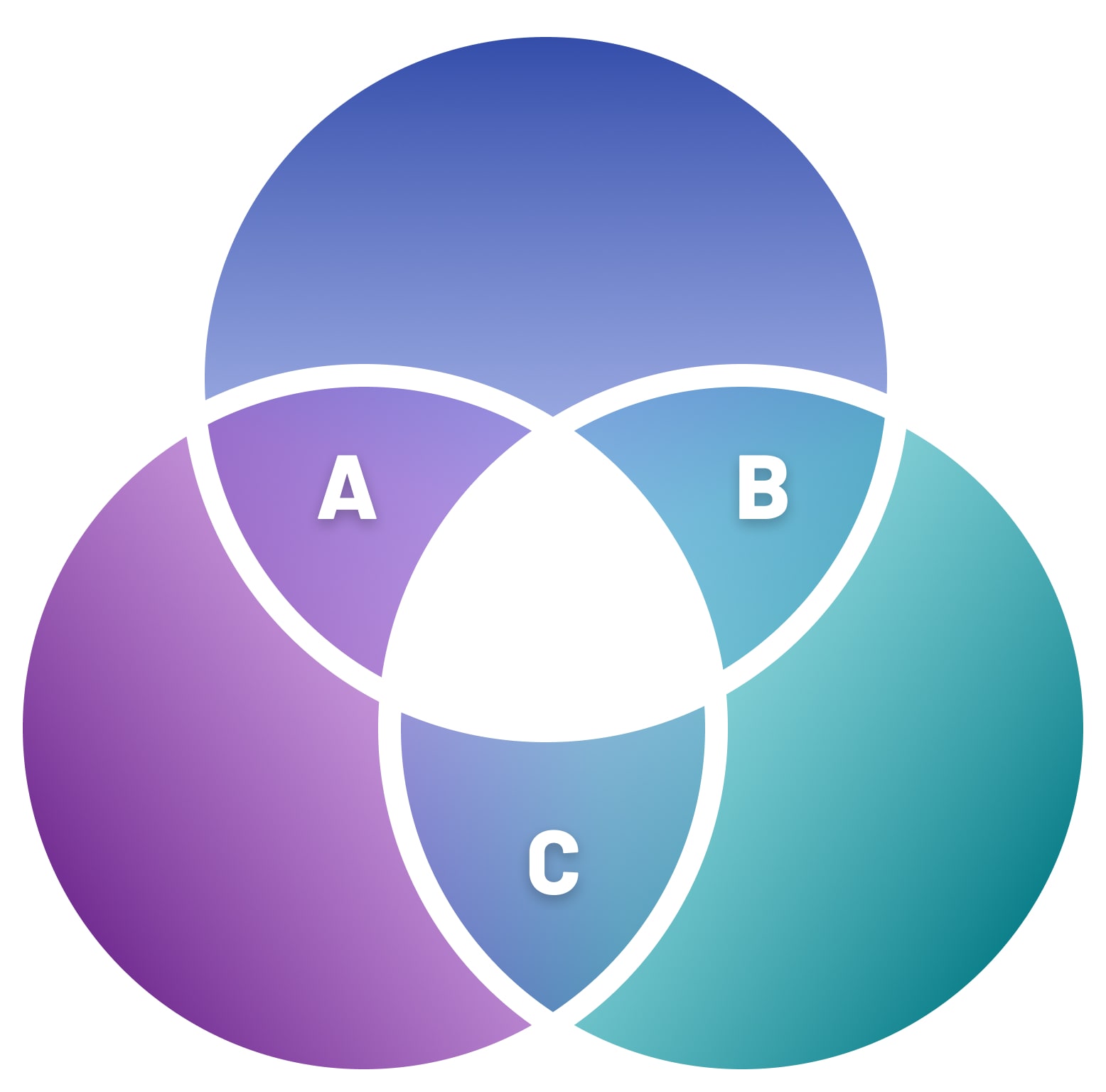
Awareness
Balance
Connection

Activity: Self-care
Take the time to create a self-care plan that helps you prevent or cope with difficult feelings. Your plan can include engaging in a particular activity, spending time with a particular friend or focusing on a way of thinking—anything that comforts you and gives you a sense of well-being and stability. Make sure to engage in an activity that is nurturing and that gives you pleasure and/or fulfilment every day.
Consider strategies that are helpful to your own self-care. Follow steps 1 and 2 to complete this activity:
Step 1: Read the sample template.
Step 2: Download the handout to prepare a self-care plan.