General prevalence and impact
In any given year, one in five Canadians will experience a mental health problem or illness.
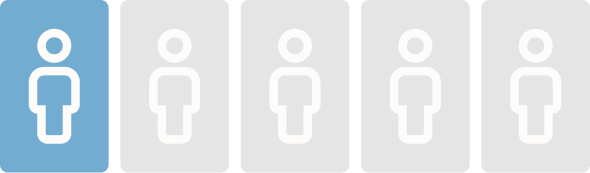
About half of Canadians will have or have had mental health problems or disorders by the time they turn 40 years old. (Canadian Mental Health Association, 2021)
By 2041, it is projected that over 8.9 million people in Canada will be living with a mental health problem or illness — and this figure does not account for COVID-19 impacts. As the graph below shows, it is estimated that this increase will apply to all age groups. The increase is primarily driven by Canada's projected population growth and aging population over the next 30 years. (Mental Health Commission of Canada, 2013)

Impact of COVID-19
National surveys on COVID-19 and mental health indicate that more Canadians screened positive for symptoms of depression and anxiety a year after the pandemic began compared to the year before the pandemic. Racialized persons and those already experiencing poor mental health before COVID-19 experienced greater negative impacts (Statistics Canada, 2021; Canada, 2020).