Immigration in Canada
While the early focus of immigration to Canada was mostly from Europe, immigrants also arrived from Asia and other parts of the world. Beginning in the 1960s, the diversity of immigrants increased substantially. The percentage of immigrants and refugees from Europe decreased in each decade starting in the 1970s (Statistics Canada, 2016).
-

In the 1970s Canada saw the arrival of Chilean, Bangladeshi and Indochinese refugees.
-
In the 1990s and early 2000s, Asylum seekers and refugees arrived from Africa, Latin America, Kosovo, Hong Kong and Thailand.
(Government of Canada, 2017a; Statistics Canada, 2016)
Asia has become the leading source continent for newcomers; over 60% of recent immigrants have migrated from there (ca. 2011-2016).
The main source countries of Asian immigrants and refugees are from:
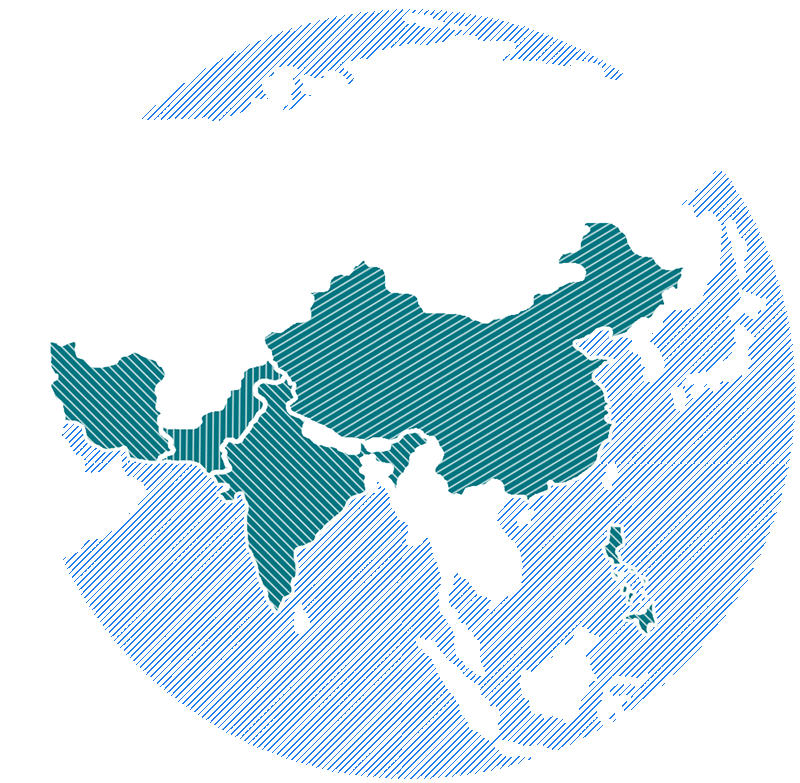
The Philippines
India
China
Iran
Pakistan
Increasing numbers of immigrants and refugees have come from Africa, which has become the second-largest source continent of recent newcomers (2011-2016) (Statistics Canada, 2017d).
Canada launched Operation Syrian Refugees in response to the humanitarian crisis in Syria in 2015. In collaboration with diverse partners (e.g., international organizations, provincial/territorial and municipal governments), Canada welcomed over 44,620 as of fall 2020 (Government of Canada, 2020).
More recently, the Government of Canada is working to respond to the humanitarian crisis in Afghanistan by resettling 40,000 Afghans as quickly and safely as possible. Canada is on track to reach the targeted number of Afghan refugees (Government of Canada, 2022). Also, the Government of Canada has launched several programs for the resettlement of Ukrainian refugees. The number of Ukrainian nationals that have arrived to Canada within the first six months of the war alone was around 8,700 individuals arriving by land and 46,000 by air. Through the Canada-Ukraine authorization for emergency trave (CUAET), Ukrainian nationals and their family members can apply for a temporary resident visa to travel to and stay in Canada for up to three years.